

Podcast Episode
The misunderstood luminary takes on AI risk, liberalism’s bad brand, and hope for a post-Trump world
Jon Bateman, Francis Fukuyama
What Iran’s longest-held U.S. hostage learned about the regime from 8 years in Evin Prison.
Invalid video URL
Iran Held Him Hostage for 8 Years. He Turned the Tables.
Siamak Namazi spent 8 years as an Iranian hostage—longer than any other American—while being ransomed for $1 billion. But instead of just waiting for a rescue, he strategized: studying his interrogators, building an intelligence network, and turning the regime’s own rules against it. It climaxed in a high-stakes gamble to save his own life.
Siamak now tells his story on The World Unpacked. With host Jon Bateman, he talks about whether Iran really believed its lies about him, how hostage-taking became a business model, and what U.S. strategies could shut it down for good.
Note: this is an AI-generated transcript and may contain errors
Jon Bateman: Siamak Namazi, welcome to The World Unpacked. Thank you for having me. I've been looking forward to this conversation for a long time. This is gonna be a unique episode. We've had a lot of people on this show who have kind of experienced the world from above the clouds, you know, foreign ministers and scholars. You also understand the world in those ways, in those abstract ways, but.
Siamak Namazi: More like from below a dungeon. Well, very literally.
Jon Bateman: You have the complicated distinction of being the longest-serving hostage in Iran. How would you describe it?
Siamak Namazi: It's a difficult one, but it's the longest-held confirmed hostage in Iran. I say that because of Bob Levinston, who, as you know, was taken by Iran and apparently has unfortunately passed away there, but the Iranians never acknowledged having him or never asked for ransom. They just, you know. So, yes. In terms of hostage, hey, you want this guy, we want some ransom, I hold that unfortunate distinction.
Jon Bateman: And as you mentioned with Bob Levinson and with others, it's kind of a business model actually. We're gonna get into all of this, what it is about authoritarian regimes, Iran in particular, where they find advantage in seizing people from Western countries or whoever Western citizenship and negotiating over that. We're going to get into all of the geopolitics and the big picture, but let's just start with. Your story, the eight years that you spent in captivity. I think it started at an airport in Tehran in 2015. Could you just set the scene?
Siamak Namazi: Sure, I mean, let's remind everyone what 2015 was like, because the state of Iran-U.S. Relations today, maybe we forget 2015, summer of 2015, if you remember, Kerry was taking these long strolls with Javad Zarif, the Iranian foreign minister in Vienna, hammering out a nuclear deal. Mm-hmm and It was kind of like the peak of Iran-U.S. Relations since the revolution, right? I arrived in Tehran, I lived in Dubai at the time, for what was supposed to be a four-day stay. I went to attend a family funeral. It was the end of Ramadan, so I had time off anyway. And I thought, I'll go to a funeral, see my aging aunt, have dinner with some childhood friends, and in and out. Well, unfortunately, when I came to leave, as soon as I passed the first X-ray on my way to the airport, to the airline desk, a plainclothes man accosted me and said, Siamak Namazi, are you Siamaki Namazi? Turned around and said yes, who are you? He said, I am part of, I'm intelligence, you have to come with me. Now I'd heard about people who were disappeared from the airport and I immediately thought I don't want my family wondering what's happened to me and not know. So I told the guy, I need to see some ID. I fully knew that an Iranian intelligence officer will not show ID and he said, I don't have to show you that. And I said, sir, with all due respect, I... Pretty sure you're legitimate. But you know, it's unfortunate, people forge being or make false claims for all sorts of nefarious acts. There is a officer standing right there, 10 meters away. Bring him over, have him say that you are a member of some intelligence group, and I will follow you wherever you ask me to without a fuss.
Jon Bateman: I have to say this incredible presence of mind in an extremely high stakes and unexpected situation.
Siamak Namazi: Um, as I said, I'd heard people disappeared and the first thing that came to my mind is what will happen to my family. So I texted my brother when he walked those 10 meters and said, um, I've always pulled over the airport. They might be taking me. They basically, um they said, no, no don't worry. Uh, we just need to ask you some questions and you'll make your flight. But of course, as soon as I followed him, um. They took me to the basement of the airport. I didn't even realize that that airport had so many levels in its parking, stuffed me in a car with some goons, took away all my electronics and my passwords. And then this whole process took a couple of hours. I think they were waiting for a camera crew to see what would be in my suitcase. And it was a funny scene there when they opened it, but.
Jon Bateman: Why was that funny?
Siamak Namazi: Because all I had was, I mean, I lived in Dubai, and I had some fresh Iranian bread, which I was taking back from my brother, and who loved this stuff, and they come, and we wait for an hour, because the camera guy was late.
Jon Bateman: And are they expecting to find some kind of stolen documents or contraband or arms?
Siamak Namazi: No, I mean, I'm I don't know what they're expecting. They're expecting something they can show in a video later
Jon Bateman: Exploit for propaganda purposes. I don't know if you've seen like
Siamak Namazi: the video of Nizar Zakka, a Lebanese-American who was detained in Iran as well at the same time. And they show like, you know, what is this? And he says, well, that's an iPhone. What is this, it's a Blackberry, you now? So they play, it it's all footage for use later. But then they drop me back off after a couple of hours at the front of the airport and say, we'll be in touch. And I said, well. How, you just took all my communication devices. We'll be in touch. We're intelligence, we'll figure it out. They were right, they figured it out, they called my mom and said, I'm over the phone.
Jon Bateman: So so You're now in this kind of Limbo right where you have been blocked from taking your flight. You're expecting another encounter What are you thinking is going to happen at this point?
Siamak Namazi: So, I didn't know, and what I did was I started going to all the prominent lawyers that I knew, the analysts that I knew, and basically trying to assess how big a hole am I in. And the response that I got is, hey, take a deep breath. This is not hostage-taking season. This is a not a season they're arresting. This is a season. They're letting people go, and Iran is opening up. Because of the nuclear talks. Because of nuclear. The nuclear deal had just happened the day I arrived. It was signed. And if you remember, between the signature and the implementation, there were six months, so that they could kind of line up all the ducks, so to speak. Right, so I'd gone to Iran. And that night, there people out in the street celebrating the nuclear deal. The talk of the town is, is the US embassy going to be reopened. There are trade delegations coming already. Hotels are hard to book. It's a very, very different time. Because the first thing you think is, well, should I be thinking about heading for a border? I mean, God knows Iran has plenty of them. But no, I mean, I was told that they're, and by multiple, multiple people, everyone said, look, they're going to data download. They're gonna interview you to see if you're part of any opposition group, if you've had any activities, et cetera. But what ensued was three months of very unpleasant being invited, quote unquote, to these illegal interrogations offsite. At the last one, October 13th, 2015, I went in and I could just tell, this is not normal. There was just way too much activity going on, and when they took me up to one of the interrogation rooms, there was a camera crew, and they put a piece of paper in front of me and said I was being arrested. And they took me to a car. Had me sit there and then handed me a blindfold on the way so I put it on. And it was clear that I was being taken to prison.
Jon Bateman: And I remember... And just to say for those who haven't heard of us, heard of it, in the Western press, Evin Prison is inevitably described as the notorious Evin prison. This is a place where political prisoners of different stripes often are concentrated. I'm sure others too. It doesn't have a very good reputation. It does not. I think it's run by Iranian intelligence. Is that right?
Siamak Namazi: Well, Evin Prison, at that point, I didn't know the system at all. Now I can tell you all about it. It's a prison compound. So you have prison proper, which is there are different wards controlled by the prison organization of Iran. And then it's spotted with these detention centers. We have a variety of intelligence forces in Iran. And each one of them seems to have their own detention center.
Jon Bateman: It's a massive in we talk in the United States about our intelligence community Iran also has this very Byzantine collection of it's a
Siamak Namazi: They're kind of overlapping parallel ones because the system doesn't trust itself. So you have a Ministry of Intelligence and then you have Revolutionary Guards Intelligence Organization.
Speaker 3 Day
Siamak Namazi: They're rivals. They don't really like each other. And anyway, the worst place you can be within that horrible place is the detention center of the Revolutionary Guards. So I just went straight to the Olympics. And when they had me put on the blindfold, I heard the driver whisper to the other guy, Why is he, why is he smirking? And I realized, oh God, I'm grinning. And the reason was, exactly a year earlier, I was told to get in a car and put on a blindfold. Okay. It was my birthday. I was arrested two days before my birthday, and a year early, friends had taken me, but obviously when I took off the blindfold, a year earler, I was on top of some Dubai skyscraper overlooking Palm Island. Wow. All my friends there, live music, free-flowing champagne. And I was just thinking, what a difference a year makes. And I guess I grinned at a spot which...
Jon Bateman: The best day of your life, the worst day of your life. I'll say it was my birthday. So hopefully nothing like that happens to me. It was not the worst day by.
Siamak Namazi: By a long shot. It was a shocking day, but it was not the worst. I think one of the themes that'll come out that you learn quickly in Avin is there is no such thing as a bottom. You cannot count that I'm at the bottom. There's always, always a way to make things worse.
Jon Bateman: So I do want to spend some time hearing about those eight years I mean, it's hard to know where to even start because I can only imagine This wasn't just a monolithic experience or a snapshot in time. And this is a significant portion of your life I mean thinking my own life, you know, I've known my wife now for eight years I mean that's it's a lifetime that we've lived together. So I'm sure it was the case for you Maybe we could just zoom out a little bit What was your connection to Iran? I think you have Iranian and American citizenship, is that right? But my understanding is, Iran doesn't recognize dual citizenship. Did you feel that you were taking risks by entering the country? I mean, we've had these episodes before, a number of different kind of hostage taking, but on the other hand, it's extraordinarily rare from a population perspective. It's probably like being struck by lightning. Looking back... How do you see why you, why were you the one chosen for this?
Siamak Namazi: Unlucky. Wrong time, wrong place. So you asked a variety of questions in that one question. Why did I feel safe? Multiple reasons. One, you... I was living in Dubai at the time. It was just a hop away, right? It's the same flight time as going to Boston from D.C. Yeah. And I used to make that trip all the time, the time I'd come before the penultimate, my penultimat trip was just three months earlier. But the main reason I felt that I wouldn't have a problem is because I'd done nothing wrong, which is the mistake a lot of dual nationals and foreign nationals make. It's kind of like going, you mentioned, it's like getting struck by lightning. I think it's more like going into waters where there's a shark. And someone asks you, why did the shark bite you? There are all these people swimming here. What did you do? Yeah. I was swimming. It's, but I, you know, over the eight years, I studied my jailers very systematically from the inside. And so I learned. I learned how this works. That regime or a specific intelligence body or one of the groups within it comes up with a plan. What had happened, and I learned this, I started learning this about a year into my arrest, as they were negotiating, when they took me, they had a handful of American hostages already. I think at that time there was three or four others, including a Washington Post reporter. As they'd started negotiating the release. The Revolutionary Guards decided to fall back or revert to something they'd done during the Reagan era, which was serial hostage taking. What they did was at the time after the 444 days hostage crisis where they'd taken over the American embassy, there were no Americans in Iran to take. So, Iran used Hezbollah in Lebanon. To basically grab American University of Beirut professors hostage. Finally, they make a deal to exchange 10 hostages for weapons.
Jon Bateman: This is the 1980s.
Siamak Namazi: This is during the Reagan time. And I'm summarizing this. And as soon as that deal was made, as soon a 10 were released, they went and grabbed another 10. They wanted to create a perpetuity. And so what had happened, what I didn't know when I entered Iran, was that the Revolutionary Guards had this plan of, hey, why don't we do this? When I, so. I explained that I started my prison in the detention center, the Revolutionary Guards, the worst corner of every prison you can be. And then I went to the General Ward, to Ward 4, after about two and a half years. And when I came to the general ward, I'd learned that the former head of the Revolution the head of the Supreme National Security Council of Iran, had said, A, I know how to plug the hole in the budget. We'll just grab an American each time. We need a billion dollars. There was another senior Revolutionary Guards commander who in a town in the Caspian Sea had made a speech. Again, $1 billion for each American. And while I was in 2A, my interrogators had made it crystal clear. That they need to turn me into $1 billion. So there was a very clear concrete plan when they took me.
Jon Bateman: So were you the first of a series of hostages? Yes.
Siamak Namazi: And they used to call me case number one.
Jon Bateman: Okay. And was there some sense, like, your fate was all interconnected? I mean, I guess during this time, maybe I should ask, how are you getting information, if at all, about the overall situation about you? I'm mean, you're hearing things from, I guess, your guards or other prisoners about what the Iranian regime is claiming to want to be doing with you and negotiations? Do you believe that? Do you have independent sources of information?
Siamak Namazi: Again, two different stages. When I'm first taken, I am thrown into solitary. And I can't begin to tell you what that feels like. Imagine a walk-in closet, maybe seven feet by three. A steel door. So there are no bars. You don't even see the hallway or anything. And the closet is bare. They give you three military blankets. One is your... Mattress, one that you cover yourself with, and one you roll into a pillow. That's it. And there's a trap at the bottom of the door where they shove food through. So the way you would feed a wild animal, so you have to actually crawl to get your food. And that's the good news. The bad news is that door can open at any time. Even law by Islamic Republic standards means nothing in where you are. When you get called outside, they throw in a blindfold, wear that, you're out. You're taken to interrogations. You don't know if it's gonna last 15 minutes or 15 hours. You don't know if the guy's gonna play good, it's the same guy, he could play good cop or bad cop that day. Are they gonna bring in a thug and get violent? You don't know anything. So I think initially when you're asking, what did I know, I Initially, I had to put things together. I had stabilize my mind, calm myself down, and I was a strategic planner, so I geeked up. I started studying the scratches on the wall, the notches prisoners use to track time because my interrogators were telling me very vividly that they're gonna keep me there until my hair turns the color of my teeth. Then they'll hang me. Like, okay, that's probably not what's gonna happen. How long, cause solitary, I was going nuts. How long?
Jon Bateman: And no one, you would have no way of knowing at the beginning of this that this would be eight years. I mean, we can sit here now and know the outcome, but.
Siamak Namazi: No. I really beat the previous record. The previous record was I think under four. Wow. So the next guy who wants my record, I really got him good, right? Right, so I just looked at the wall and these makeshift calendars prisoners use and learned that, wow, it doesn't go beyond a month. So I assumed I'm gonna be in solitary for a month, I built out assumptions, I knew the nuclear deal had been signed three months ago, it was supposed to be implemented in three months, I knew there were ongoing hostage negotiations and other American hostages. So, I kind of took a deep breath and a sigh of relief. Like, okay, I'm going to be in this solitary maximum a month, it's gonna end soon. We're all gonna be freed within three months max. And again, I was relieved for thinking you're a hostage. No one's actually gonna lay a finger on you.
Jon Bateman: There was this whole period of time, you're describing, you're being interrogated. I don't want to press you for details on this. What I am interested in is, what did you view as the purpose of those interrogations? Were they genuinely trying to learn something? If so, what? I mean, did they believe that you were some kind of spy or that you had some kind of critical information for them? Or was this more of psychological warfare against you? And if so, to what end? I mean, how did you understand what was happening?
Siamak Namazi: It took a while, but I did understand what was happening in different ways, so the answer to your question is it's a bit complicated. The intelligence officers, and it's bit of an oxymoron if you knew the stories of some of the things that they did. Um, I would say that I came to understand that, you know, I... My father worked for UNICEF, so I grew up, I finished high school in Kenya, and I've spent a lot of time in Africa. What I understood, what was happening was what I'd seen in tribalism, where I'd see the interrogator in the middle of a tough interrogation. His phone would ring, and he's kind of like grabbing me, and I'd say, oh, that's my daughter. Picks up. And he's speaking to his daughter. And I'm thinking, that monster is a good father. He was really, really sweet to his daughter. And I'd seen this repeatedly with different interrogators, which made me remember tribalism, which is if you consider the person within your own tribe, you have a certain set of behavior. And towards the other one, nothing is almost taboo. Think the worst case of that is Rwanda, right? The other is a cockroach. You can do whatever you want to them. Yeah, dehumanization. It's not, right. It's the dehumanization is exactly the word.
Jon Bateman: Did you think he wanted you to see that? Was this a mind game? No, I.
Siamak Namazi: No. Look, there were two things going on. The first, and I learned when they started getting physically abusive, I was wondering why, I learned that the interrogators... I told you I'm a consultant, I look at things, some of my assumptions proved wrong, so I started wondering why. And I learned that the interrogator gets a promotion and a physical bonus if he can get the maximum sentence for you. And a bigger bonus if you can get the death sentence for your. So his job, what they wanted from me was a false confession, they wanted me to get on TV and say, I'm an American spy. Which I was refusing to do and they were upping the pressure.
Jon Bateman: Okay, so even though your understanding of the plan is that they will ultimately negotiate for your release, not execute you, this, that, on the other, you know that now, still there's different value that they might want to extract from you along the way. And the more value that they can extract, propaganda value, the more rewards your interrogator gets.
Siamak Namazi: Interrogator guys the guy was very clear that that he's gonna try to get the death sentence for me and he was not kidding I say he wasn't kidding because I've seen my file six it took me six years but I'm a little bit stubborn I have seen my entire file and they did try to get the death how do you
Jon Bateman: How did you get your file?
Siamak Namazi: Six years is a long time till I got there, but when I went to the ward, I studied Iranian law and I understood that I have a right to write my own defense. Now... My file would have been with a judge that is in charge of executing the order. And I kept writing these guys. I think it was like the fourth person in charge at the time at the same post. It was a young guy and I pretty much egged him on that you're afraid to show it to me. He just treated him like a kid and got to his ego. And he's like, no, I'm not. I said, you are, but I have the right to defend myself under this Iranian law. And basically he... To show that he's not afraid, he signed the order, and I got 10 sessions where I went and I've seen my entire file. You asked if these interrogators believed it. So one of my charges was that, this was not on my chart sheet, it was not mentioned in court, and it was nowhere. And there it is in the ruling. Now remember, they took me to a kangaroo court, found me guilty, but they never showed me the ruling, It was never read to me, again, completely against Iranian law. They should at least call you in, read the ruling. I never knew it. I went to appeal court, and the judge said, defend yourself. I said, can I see the ruling? No. OK, this is going to be fun. So right, one charge was that I'd hacked the SMS system of the country in the year 2001 and given the user data to the hostile American government. Well, I flipped through when I looked at the interrogators notes of where this came from. Okay Wow 2001 I Write an appeal. This is a year six at this point I fixed up my far see and I'm I've learned Iranian law and I am writing my own appeals and The appeal was very simple SMS did not exist in Iran till 2003 The judge was not convinced. Just the fact that it didn't exist didn't mean that I did not hack it and give the user data away.
Jon Bateman: This is straight out of Kafka. So I think some people out there listening to this may be puzzled about the role of law in a country like Iran. And I've spent some time studying Iran, and even I am still puzzled by this. I mean, on the one hand, they're seemingly able to do whatever they want. You mentioned this feeling in the cell of, like, law does not apply here. It's a kangaroo court. Obviously, they can just arrange things to a great degree. And certainly, I would think that the public or kind of political accountability doesn't necessarily exist. I would thank for some of these abuses. Okay, so you're nodding your head. So I'm not crazy. On the other hand. The two are not.
Siamak Namazi: Mutual exclusive.
Jon Bateman: Yes, there seems to be some kind of sense that you developed, that there is, law has some reality, that you can use it to your advantage, you're able to get the file, that even the interrogator is saying, like, I can get a death sentence under some circumstances but not under others. What is going on here? You're listening to The World Unpacked with John Bateman. Where we dive deep into pressing global issues and make sense of the big forces shaping our world. Now, have you learned anything so far that intrigued or surprised you? Let me know in the comments, or just give us a like. And if you wanna hear more of my conversations with the world's most informed and interesting people, you can subscribe right here. Now, back to the show.
Siamak Namazi: Iran is Alice in Wonderland. It is so surreal. And if you don't understand the political system and the inner workings, you're not alone. So when I was taken to the general ward, I got to tell you, Evin prisoners call Evin Evin University. OK. Because that's where the regime parks anyone it wants out of the way. And when you're inside, if you're a crook, you learn from bigger crooks how to be. How to up your game. Okay. If you're a political prisoner, you learn from other political prisoners how to your game, it really is a university. And I have to tell you the alumni connections is out of this world. It really is, you would be amazed. So one of the fun games I like to do, in there, I had like the sitting president's brother in there and when I tell you senior former officials at that level. The number two of the judiciary, I mean, till a week before he was tossed in a cell next to mine, he was the number 2 of the Judiciary. My God. All sorts of dissidents, lawyers, journalists, you name it, teachers, syndicate, labor unions, they're in there.
Jon Bateman: People who some of them understand the regime extremely well.
Siamak Namazi: Former ministers, you know, they're in there. So I would just have fun. Something would happen, something big would happen. You know, Trump in his first term would start with maximum pressure. I don't say, guys, you don't know how the system works. How's this regime gonna react? They always, always got it wrong. And I used to tease them. I remember there was a prominent journalist who got fed up of me teasing him and said, Well, you tell me what's going on.
Speaker 4 Ha ha ha.
Siamak Namazi: How in the world would I know? I've studied international relations and management. Forget me. Ask the environmentalists. They've studied zoology. They might figure it out.
Jon Bateman: So the lesson here is that the Iranian decision-making architecture, such as it is, it's torturous. It's inscrutable. It's kind of the right hand versus the left hand. Is that the idea that even regime insiders actually can't know what will happen next?
Siamak Namazi: Not with any degree of accuracy where you can bank on it. Yeah. I call it Alice in Wonderland because one of, I remember one of the guys who ended up in my cell when I was in the ward was a newspaper owner. And whenever I saw someone who could write well, it's like, hey, you want to, you know, he was like, what do you do? You're writing all the time. I said, do you want read it? He said, yeah. I said good, you're my new editor. And he, because I was writing letters to any official that I could think of to make a case and a plea. And he read it and he could not believe, he's like, oh my God, this regime takes Iranian nationals, dual nationals hostage? He was completely shocked. And I said, are you sure you're a newspaper owner? Wow. But he told me...
Jon Bateman: And of course there's common knowledge in, you know, in Washington.
Siamak Namazi: But he told me he was so moved. He said anything you want I will print Okay, it took me a while and I was saying no, you know, this is too risky and he said yes It's risky for me. He was getting out on a bond in a few weeks. He's like You are a hostage. You have to understand that they've locked you up and thrown away the key, you will only be freed when there's a deal with the Americans. There's a strength in that. They can't imprison you further. The real risk is on me. And he told me something I'll never forget, which is he said, in a game, in any match, the best defense, he's like, you're doing fantastic with your defense, but you never win a game by having the best offense. You need to go on the offense.
Jon Bateman: Okay, so I'm sure there were many moments of great drama in Inside the Prison that maybe we'll never know about, but one that we do know about had to do with a huge risk that you took to go on the offense and to speak to the world. You actually called CNN from Inside Evin Prison without the regime's knowledge or authorization. This had to be a big risk that you were taking. Probably based on what you're saying, I imagine it was a very calculated risk. It was a calculated risk Tell us about that. Oof.
Siamak Namazi: Um seven years into my captivity, and after that appeal where I realized that even the fact that SMS didn't exist didn't mean I didn't hack it, meant to me that it confirmed that I have no chance, and up to then I was really, most of my efforts were domestic. I was printing in Iranian newspapers, I was making a case, I writing appeal after appeal after appeal, but I was getting nowhere. Now remember there had been deals made. So I understood that my only exit is through a diplomatic deal. But diplomatic deals, hostage deals had come and gone. Obama made one and left me behind. Trump made two and left be behind. So let's say I was pretty in bad shape, exhausted and desperate. And finally, after a long hiatus, hostage negotiations had restarted in September 22. Okay. The Biden administration finally admitted that the nuclear deal was dead and that they should negotiate on the hostages alone without attaching it to the nuclear file. Wow, okay. But those negotiations were dragging. I mean, really dragging. And I remember sitting and saying, How long did it take to... Finalized the end of World War II. I mean, they'd already...
Jon Bateman: Yeah, they wrapped that one up pretty quickly, actually.
Siamak Namazi: The deal was already made earlier when they were doing the nuclear negotiations. The Biden team did exactly what Obama's team did, which was have a track for nuclear negotiations and a parallel track for hostage negotiations. Technical teams would have to agree, then go back to each capital and get each old man's signature for final approval. The Iranians came back and said, good news, bad news. The good news is we'll take the hostage deal. The bad news is... The Supreme Leader said the presidential elections in Iran is around the corner, and the next Iranian president should decide if we would reenter the nuclear deal.
Jon Bateman: Interesting.
Siamak Namazi: And the Americans said, there's no way we're going to give you what we said we'll give you without a nuclear deal. So it was very clear when they were restarting negotiations, the framework of what the ransom was, was clear. It was unfreezing Iran's own money, which was in South Korea. It was oil money in Korean won, sitting in South Korea, that would get transferred somewhere else. And for Iran to use to buy humanitarian goods, food, and mainly medicine. That was what was being negotiated. So. I sat there thinking, well, what are they actually negotiating? They were actually negotiating, you know, the Iranians wanted the money to go to Oman, the Americans wanted to go Switzerland. There were arguments about whether this will be in a mix of euros or Omani riyals, whatever.
Jon Bateman: I mean your life hangs in the balance, but it's the bigger game It's these bigger games.
Siamak Namazi: No, no, but that negotiation isn't that long. Okay, I see. And the fact that it was taking so long told me, wow, the US administration isn't sure if it wants to do this. That's what I thought. And I tested it by going on hunger strike for a week on the seventh anniversary of being left behind by Obama with this passionate note to Biden that went, The media loved and gave me more attention than I ever dreamed of, but I got absolute silence from the White House. Biden wasn't even meeting with our families. That doesn't signal you're about to be released. So I was worried.
Jon Bateman: I have to say, it's amazing to hear that you're a hostage and a prisoner for seven years, you've been through hell. At the same time, you're almost functioning as like a diplomat or a politician yourself, kind of accumulating leverage against like an American president in a sense and working through the media and putting your body on the line in this hunger strike in order to create spectacle and sympathy. I mean, just— the complexity of managing life in prison with also being in a very strange way, a kind of figure of global political significance, that's not easy.
Siamak Namazi: Eight years is a long time. And I started the fight in day one. And I just got better and better and better at it. By the time we're doing this, remember. I had been in prison seven years. I'm already the longest-held guy in the ward. It's a third-world prison. Now, some people use the corruption to smuggle in drugs. Some bring in luxury goods. I created an information train.
Speaker 3 I would
Siamak Namazi: I was sneaking in copies of The Economist. I had an underground paper route. I was bringing in books. I was using, there are all these regime insiders. They don't serve the same way we did. They kept going on furlough. They were, you know, I actually, in one of the letters that I published, I took a stab at the president's brother and said, you now, he drops in once in a while. He's not really in prison. I was asking for furloughs. I was like, why? How come he gets to go all the time and...
Jon Bateman: Okay, this is like the good the prison and good fella, but kind of coming. Yeah
Siamak Namazi: But it also meant that I had access to figuring out what the Iranians are doing and what was happening. I had good information. On the American side, I had just seen what happens. And so I started thinking about why I was left behind the times that I was. And I started trying to understand the decision from the American president's perspective. Um, it's hard, because when I was first taken, you sit there thinking, I'm a hostage. Of course I'm the priority for the U.S. Government. Breaking news. You are not. Hmm. It's... There's a lot of sympathy for you. And I would say any American president, including the two that left me behind, would love to get you out. But while you come to Washington, they'll tell you the only bipartisan issue is hostage-taking, both sides of the aisle agree. No. No matter who does the deal with a rogue state to get out an American detainee hostage or wrongfully detained American citizen, the other camp will attack them. You paid ransom to the hostage taker, you encouraged hostage taking.
Jon Bateman: Yeah, very.
Siamak Namazi: I mean, when we were released, the Washington Post editorial board on September 19th, 2023, the editorial board attacked the Biden administration for paying ransom for Americans. $1.7 billion for their guy in cash palettes. That was okay. No problem, hand them cash which they can do anything with, but don't give them access to their own money to buy medicine for another hostage. That's what the American president faces.
Jon Bateman: So, first of all, it's fascinating that part of what you needed to do through this CNN call and your other pleas is to inspire people like American presidents to have sympathy for your situation, but you ultimately needed to figure out, almost develop an esoteric empathy for them. I realized that...
Siamak Namazi: Number one, I had been up to that point trying to appeal to American, to first Iranian public opinion and law, nothing happened. Then American public opinion. If you read up on me, you'll see I published an op-ed in the New York Times and that was a hell of a stunt. But now I needed the president's direct attention. I need, I realized everything I've done is noise. I have an audience of one. I didn't care what you thought. I needed Biden to care. That's it. Everyone else was noise. So I sat there and I thought how do I reach the president of the United States from a cell in Evy and I developed the system of how you kind of count come out with creative ways of doing this and It came to me and I talked about doing the interview with NPR But it was risky. I mean wow Now, what I knew at that point was, through an experience of another cell mate a couple of years back, that they probably are not recording the phones, the payphones live. They're using voice text.
Speaker 3 Hmmmmmmmmmmm
Siamak Namazi: It's a year seven, be the guy. I mean, there's, there are smart cards. So be the guys going through my phone calls. Hey bro, how are you doing? My socks have holes in them again. There's COVID. I don't want mom to go out. Could you send some from Dubai to this friend of mine? He'll bring it boring, boring, boring. It's not usually, Hey, Jared Genzer, my, my great promoted lawyer in, in, in DC, uh, I needs to get on NPR. And Jared, at that point, I called my lawyer because I realized this could have major repercussions and I needed to sanity check my thoughts. I usually did things. I'd learn to keep it to myself to the last moment and just announce that I'm doing this so my family or my lawyers don't try to talk me out of it, including the hunger strike. It was like, but OK, on this one, I was like Jared, this is my thinking, that this is dragged on. It's a bad sign. I knew as a hostage that every day was like Russian roulette. Something would happen somewhere. I mean, I was weeks away. My father and I were weeks away from being exchanged when Trump blew up Qasem Soleimani. The Iranians blow up a contractor in Syria. Poof, all negotiations go away. I knew time was not on my side, negotiations are dragging. So, I explained all this to Jared and he fully is on board, but tells me that what I have in mind isn't nearly loud enough. To get the attention of the President of the United States, I have to go a whole new level of crazy. Yeah. And he kind of encodes says, do you remember that reporter friend of yours in London? I'm like, oh my God, Jared, that is not NPR. And he said, I know, I now, I calm down because I think I was hyperventilating. And I took it a couple of days to if I want to do this. And realizing that I'm under too much pressure and too emotional, I kept trying to think about the risk reward. That's how, as an MBA, you're trained, net present value, but it's an unprecedented move. No one's done this in history. There's no data to do a risk reward, so I adapted another decision model and basically asked myself two questions. What's the worst thing that could happen if I go through with this. Mm-hmm. OK. I'm not freed, actually, they catch me, I'm wrong. As soon as I dial the phone, they catch me and they beat the crap out of me and tossed me back for months and months in a solitary cell. I'm now freed. I've kind of been there and done that, right? I knew I could survive it. And then I thought, what's the worst thing that could happen if I do nothing, if I don't go through with it? OK, so the nuclear, I am sorry, the hostage negotiations fall apart. Again and I'm left years longer in that cell because I knew that we're going to soon hit election cycle and then you know well I'll have to wait for the next president is going to be still Biden someone else it's going to Be years and all all the time every day one question will burn me would I be home now if I had the guts to act. So, um...
Jon Bateman: So you did act with incredible boldness. And it makes me think in a way, you almost were joining the negotiating table in a away. I was.
Siamak Namazi: I was pressing the negotiators, and this isn't the only thing I did. When they called me in, I told my handler that if these negotiations fall apart, I am withdrawing. I said, what do you mean? I said well, I'm deauthorizing the US government. Your star at that point, I had made so much noise, I was like I am going to accept that I am going to be here until this regime is here, and I'm going to make a life fighting hostage diplomacy. And what I'd done was I'd already lined up grand ayatollahs I need to write and get a religious fatwa on whether an Islamic government can trade a citizen for any reason.
Jon Bateman: So your ultimate Trump card was saying, I'm not going to try to be released. I won't be able to be leveraged for you. And instead, I'll make your life miserable by kind of drawing out the contradictions between the religious part of the state and the security part. Look, these are all, I mean.
Siamak Namazi: This also came from an MBA play, which is what you do when there's a hostile takeover. Now, if there's hostile take over, let's say CNN wants to buy your podcast, right? You can't, I mean, think publicly traded firms. You can fight that. They'll offer 20% above your market value and you're gone. What you're supposed to do, now that bigger market player doesn't want all of you. He wants a piece of you, he wants something. It wants a patent, you make it public, you make an openware, you spin it off, you grab it, you toss it. The Revolutionary Guards and that awful regime, they were keeping me in prison for one reason, I had hostage value. So. If that hostage deal fell apart, they would actually, it was a credible threat. They'd done this to other hostages who had served out their entire term and were kept. So I had to kill the hostage value. But the difference is in the NBA play, in the poison pill for a hostile takeover, you're dealing with a rational market player. I was dealing with the Revolutionary Guards. I was dealin' with an 800 pound gorilla. Take away its banana, it's going to think, oh yeah, if I let Siamak get away with this, every hostage will say, oh, I'll just fall out. And so they'll want to teach you a lesson. It was, when I told you the CNN thing, compared to my next best option, it was the less risky one. This was well thought out. It was not.
Jon Bateman: I mean, I think you were vindicated, right? I mean you were, so you were released in 2023. Yes. Why? Why, what made that work at that time?
Siamak Namazi: Multiple things. First, I think the Biden administration was committed to finally freeing us. I think they understood that it was enough. Most of all, our families, we were three at the time and they grabbed another two while they were negotiating our release and they were on the plane with us as well. But all our families had lobbied so hard for so long. And so many others, not just our families. So I think that was there. What I'm convinced is that the interview applied the kind of pressure on the negotiators that made the negotiations move faster. And that really mattered because I was freed three weeks before October 7th and the attacks, the Hamas attacks on Israel. So just three more weeks and I'd still be in the cell.
Jon Bateman: October 7th, the most convulsive date in modern Middle East history, totally rewrote all of the relationships with the United States Israel.
Siamak Namazi: President of the United States, any party, could make a deal involving releasing money to Iran for any reason after that. In fact, the U.S. Froze the $6 billion again.
Speaker 4 Hmm
Siamak Namazi: in Qatar right after October 7th so Iran hasn't been paid a penny for our release which makes the next batch harder because there was a deal which was reneged on.
Jon Bateman: So let's talk about that next batch. This is the kind of geopolitical reality that, as you said, you learned to think about this through a president's eyes. It is controversial to negotiate for hostages because the obvious reason, it encourages more of it, and they know it. This phenomenon is occurring in Iran. It's occurring in every other country that's unfriendly to the United States. China.
Siamak Namazi: Iran, Russia, China, Venezuela, Cuba, these are the
Jon Bateman: Yes, what is the solution here? What is the answer to this puzzle of getting out Americans without encouraging more of the same, or is there no solution?
Siamak Namazi: Um, everyone is against paying ransom for hostages until they themselves or a loved one is a hostage. Their views change dramatically after that. And what I find interesting is hostages that were released through a diplomatic deal, some of them when they come out, they're against the next guys, Oh, no, no. We shouldn't encourage that. It's true. It's, it's, you know, there's anger because I look, no one is as angry as the hostage that a rogue state that commercialized their freedom benefited from ruining their lives, from imprisoning them, from torturing them. They benefited from it. Do you think I'm angrier or some guy who's, I don't know, some hardliner think tank here that Biden did that? But that's what it takes to get our people out. And I think we have to hold our nose and make... Distasteful deals with these horrible rogue states because we need to get our people out. But we need walk and chew gum at the same time. To get rid of state hostage-taking, we need impose draconian punishments for hostage-hacking. Look, imagine you and I are advisors to this Supreme Leader of Iran. If we were real advisors, we'd say, hey, keep the hostage business going. This is fantastic. This is a definition of arbitrage. Risk-free profit. Because in the history of hostage-taking, there's been no downside. The downside is a reputational risk, but hey, you're the ayatollah, what's your reputation? Are you worried that you're gonna ruin that? So there's only an upside.
Jon Bateman: Putting on a Realpolitik hat here. We have a lot of sanctions on Iran, we have a lotta sanctions on North Korea, Cuba, Russia, even China, it's a more complicated case, so let's set them aside. We're often trying to punish different nefarious hostile behavior. It often doesn't get us there. Do you think that there is a level of sanction or punishment that we haven't tried yet, that we could try, that would be enough to change their calculus?
Siamak Namazi: Again, to quote my pro bono lawyer, Jared, his idea is that we need a NATO arrangement of sorts. Okay. So an attack on one is an attack on all we with our allies, like-minded states, the Europeans, Canada, Australia, et cetera. Cause remember Iran and Evin prison while I was there turned into the United Nations, a dystopian United Nations of hostages. It really did. But what if we pooled our resources? And punished Iran collectively, that things get triggered. But when you say we sanction, we do this, we do that, and nothing happens, I would say it's half true. Unfortunately, as I said, unless you're a star hostage, unless there is tremendous media and public pressure to get you out, if you're prominent reporter from a big newspaper, if your an NBA basketball player. From the president's calculus, there's only a cost to pay to free you. And you can remain there for a very long time. But we need to think about what can we do for the Iranians to have a cost of keeping you. So let me give you an example. When I got left behind by Obama, I think a year later, Iran realized that it had, I think, $2 billion. I learned this in the Iranian newspapers a few years down the line. It had around, something around the $2 billion mark. Locked up in Oman it couldn't get. It needed an OFAC license. Why in the world was the US giving OFAC licenses for Iran to move while not only was I, not only the Iranians keep me, but they actually took my father too? So you have two hostages and you're granting OFAC licenses? Why? And I don't wanna make this a partisan thing. When Trump pulled out of the JCPOA, the Iran nuclear deal, he tapered off Iranian oil sales. If you remember, it was like decreased by 20% so our allies, the Europeans and, I don't know, South Korea, Japan, et cetera, could wean off, have time to get another supplier. Um. From my cell, I called multiple people on that damn tapped phone. I was so frustrated, because I thought that the messages I was sending in other ways weren't getting there, saying, hey, two quotas. You have one quota, if Iran, like it can sell, I don't know, making numbers up, 100,000 barrels of oil to South Korea, with hostages, 120 without. Free the hostages, the quota changes. You could, on the American side, you could say it was 120, I reduced it to 100 because they have hostages. On the Iranian side, they could say I increased it to 120. Blah, blah, blah.
Jon Bateman: I mean, having seen this situation from the other side, from being inside the national security state, there's some really uncomfortable realities that presidents are facing. One is, as you said, it's almost a three-way negotiation, like how much oil Iran could sell to, like India or South Korea. It's like there's Iran, there's the United States, and then there's that third country.
Siamak Namazi: Anything you do, any policy has side effects. So let's say the US turned around and said, I am not going to renew the Iraqi OFAC licenses to buy Iranian gas and run its power plants. Well then you might have a power problem and a security problem in Iraq. But there's still, if you apply creativity, an example is what we did now, right? Planes, Iranian planes cannot. Go flying around anymore because of U.S. Sanctions. Yeah. What happens if you installed those as soon as they take and wrongfully detain Americans? You can no longer fly. Hey, you guys like to come to US think tanks and do talks? This was going on, remember? When I was taken, it was, you know, then Iranian Foreign Minister Zarif was coming to places like this all around, speaking as he wished. Why was he given a visa? Why was there not a, hey, you cannot go anywhere? And if you do this, imagine you create internal champions of, hey, we got to let these guys go. As a foreign minister, I can't do my job. I'm supposed to go, you know, spray my propaganda around Washington.
Jon Bateman: So, heighten the contradictions inside the regime.
Siamak Namazi: And, and, or we have, I, I had a conversation with the, the hostage people and the Canadian government who said, Oh, we're not like the U S we don't have the same power. How could, how do we get our people out? I said, are you kidding? The top regime officials, the kleptocrats go get Canadian citizenship and park their money in Canada. When I was there, the, um, the head of the judiciary's brothers were living in Toronto. Grab them See how fast they'll exchange say well, there's rule of law here. It's a fantastic Let's just take a look at their taxes, right? Let's see if you know, let's look at that size of the house They're living in and what they're spending and the money of their thing and see if they pay tax on
Jon Bateman: I don't honestly, that might work. I mean, I guess, I guess the risk would be.
Siamak Namazi: I'm telling you the truth is that as no one sits and thinks this deeply about what can be done, even today. Really? Even today.
Jon Bateman: There's no one because because we do have these like you know hostage teams inside the government i think they're maybe not very empowered but that that's interesting that that that there is no big think on this happening
Siamak Namazi: Well, like how do we change to have someone thinking but at the top again you have so Iran you have So many issues right now. There's a war on The president's mind is ending that war, right? Whether it's by getting Iran to sub to to cry uncle or by an agreement whatever, right We had an agreement, the Islamabad Memorandum of Understanding, or as Carnegie's Karim Sajatpour likes to call it, the Memoranda of Misunderstanding.
Jon Bateman: This was the kind of earlier attempt to, yeah.
Siamak Namazi: Did you hear in those negotiations anything about, by the way, you also have to release the wrongfully detained Americans you have?
Jon Bateman: No, and in fact, often both sides try to even claim that they're disconnected even if they are happening. No, hold on.
Siamak Namazi: And by the way, I have a lot of criticism of the Trump administration, but I have to say President Trump cares a lot about getting American detainees out and has a wonderful record.
Jon Bateman: He talks about it a lot.
Siamak Namazi: He I think he cares now whether he just likes the fanfare and the pictures or whatever for whatever reason I think he genuinely cares and But Why were the issue of the detainees? Not part of the talking points the overt on the record. Hey, no deal without these guys out How is that your priority if it's not even mentioned in the mo you? And today, you say, well, maybe we're at a point where we're bombing Iran, we're doing all these things, we're sanctioning the hell out of it, what can we do? Okay, here's some creativity for you. How about offering Iran, most of Iran's vital medicine trade, like cancer medicine, like vital, vital medicine.
Jon Bateman: Hmm.
Siamak Namazi: Is through airplanes, it's air freight. Okay. Well, we just blocked most of Iran's flights. What if we offer through, let's say Doha, through the government of Qatar, say, hey, we can do what we were supposed to do, which is allow X amount of medicine to be bought from the money you have blocked up in Qatar with OFAC. Signing off on everything to make sure, you know, that the purchase orders go with an olfac thing. And we authorize Qatari planes to take these vital medicines, life-saving medicines for Iranian children with cancer, for, you, know, people with critical diseases. Make a public offer to Iran, in exchange, I want a humanitarian gesture back, which is the release of the few American detainees we have. The Iranian government can turn around and say yes, and let's say that's unlikely. Let's say they say no. Well, we're creating pressure, right? Then we now have cancer patients in Iran and we have various groups saying, hey, what do you mean no? We could be saving tens of thousands of people by releasing three. I don't care what they did, release them. At least try. Have you seen any such action being taken? As I'm saying, it's not that people don't care. It's just really not top on their mind when we have so many complicated problems with Iran.
Jon Bateman: Yeah, and as I was thinking about your story and how different presidents have handled it, a thought occurred to me that had never occurred to me before, and I wonder what you make of this, that presidents want to get the hostages out. They do. But they also don't want to reward hostage-taking too much.
Siamak Namazi: And, and they... They use their political thermometer a lot more than their moral compass when it comes to these decisions.
Jon Bateman: Well, that's true, too, and I wasn't factoring that in in what I'm about to say, but I wonder if sometimes the calculation is we will negotiate for their release, but not too hard and not too fast, and we want to at least delay the ayatollah's gratification. And then, of course, the people that suffer are the hostages.
Siamak Namazi: And is that what you want if you were the hostage or the hostage family? Of course not. And you think if...
Jon Bateman: Which is why you went on CNN. And which is why your here today probably.
Siamak Namazi: Yeah, I mean, the lessons that I learned is you have to be noisy in there. And we hear when I was taken and when so many other hostages were taken, their families are told, both by the Iranian side and the foreign side, whether it's the U.S. Government, the Canadian one, as I said, Iran has taken a hostage from everywhere, practically, of hay. Keep this quiet. Don't pull it into a Gordian knot. Let us handle it. That is bad advice. As a hostage, your interests are not necessarily aligned with your government's interests. You want to get out. For political expediency reasons, it might not be the right time to get you out. Now, when you talk about prolonging, it's not prolonging Iran's gratification. It is dangerous being in there.
Jon Bateman: Yeah. Your health is at risk. It's not just your health.
Siamak Namazi: Not all hostages make it out. I'm very convinced that the thugs that would attack me didn't want to actually hurt me. But they were terrible at their jobs, like most people, government employees in a third world country. They were not very smart thugs. And what they were doing could certainly lead to death. And in fact, there was a Canadian Iranian that died in that same prison. A few months after my arrest. So it happens, we've had it in the past as well. There's a war going on during the 12-day war. I don't know why, but the Israelis decided to bomb Evin Prison. Seven, I believe seven bombs were dropped at high noon pretty much while everything was going on on the prison and prisoners were killed. It is not safe, plus the mental pressure that's on a hostage. Can make them have a heart attack, they're not getting the medical care they need, depression can lead to very, very dark places. This is not a hey, okay, you know, they won't be gratified for another three years. And on the Iranian side, you won't pay, the next administration will. Yeah.
Jon Bateman: It's a haunting tale that people are living out right now. Your story, in some ways, is also inspirational, but it almost doesn't do it justice. I think it's actually incredibly edifying the way that you seize control in how you, within the, almost every possible limit available of what many people would have found to be an out of control situation, and basically saved your own life. Do you have any final words here that that you want to share? I do I?
Siamak Namazi: Look, my story has two parts. I got to see the worst of humanity in what those horrible interrogators and that criminal regime was doing. But I also got to the best of humanity. I got, there were. I mean, the other prisoners were amazing. They took immense risks for me. They saw how hard I was fighting for my freedom and they just came in and they were risking their own freedom for someone who they knew would get on a plane outside their reach and could never pay them back. I'm in awe. I have seen awesome, awesome people fighting for their own cause. Iranians, especially in the women's ward, I mean, the courage that I saw is just, as I said, I'm in awe, it's inspiring. The best of humanity in my pro bono lawyer here, that for seven out of the eight years, he came on year two, fought the hardest for me outside of my, besides my own brother. He is a brother. For someone that I think We had spoken five minutes at some conference years and years ago, and I didn't remember. I mean, those are a lot of billable hours that could have gone elsewhere or my local lawyers who were fighting for me, even though it meant they could throw them in a cell next to mine. I used to teach a tease, my human rights lawyer in Iran saying, you're no good. Yeah. The, my, my cellmates, his lawyer got dumped in and he makes omelets for us every day, every morning. Come in, at least make me an omelet. Your, your, your defenses are getting me nowhere. But these are, this is incredible. And I think. When we're faced with something like that, we can either let the bitterness. Thank you. Um eat us it's like acid yeah or we can be fair and look more holistically and realize i i i saw a lot more of the best of humanity than i did of the worst of humanity so i don't want to leave your listeners with them with with with the impression that you know that this was just a story of all horrors i i thought really really beautiful things and i think i'm left with I've always loved the country of my birth. And the country that I chose. So both Iran and the U.S. And I would say with everything that happened, with that awful regime in charge of Iran doing that to me, today I love Iran more than ever. And despite the fact that I would, I mean, the positive thing is that I managed to be the only thing Republicans and Democrats agreed on, which was leaving my ass in Evian prison. But despite that, I could see a government, you know, even within the governments that left me behind, so many people fought for so many years to make sure that I'm here today. And I can say, I truly can say that I love both countries more than I ever did. And that my story really isn't just the dark, just dark by any stretch of the imagination.
Jon Bateman: I'm very glad you are here, Siemuk. You have taught us a lot about some important topics today. Thank you for sharing your story and thank you for being here.
Siamak Namazi: My pleasure. Thank you for having me.
Jon Bateman: You've been listening to The World Unpacked, a production of the Carnegie Endowment for International Peace. To get episodes delivered directly to your inbox, use the link in the description or subscribe on YouTube or popular podcast platforms like Spotify or iTunes. Views expressed are those of the host and guests and not necessarily those of Carnegie. Learn more at carnegieendowment.org.
Carnegie does not take institutional positions on public policy issues; the views represented herein are those of the author(s) and do not necessarily reflect the views of Carnegie, its staff, or its trustees.
The misunderstood luminary takes on AI risk, liberalism’s bad brand, and hope for a post-Trump world

Jon Bateman, Francis Fukuyama
Maha Yahya details life under Israeli drones and what Lebanon’s fate could spell for the future of global order.
Jon Bateman, Maha Yahya
Connor Leahy joins The World Unpacked to explain the danger behind AI superintelligence, and what we can do to stop it.
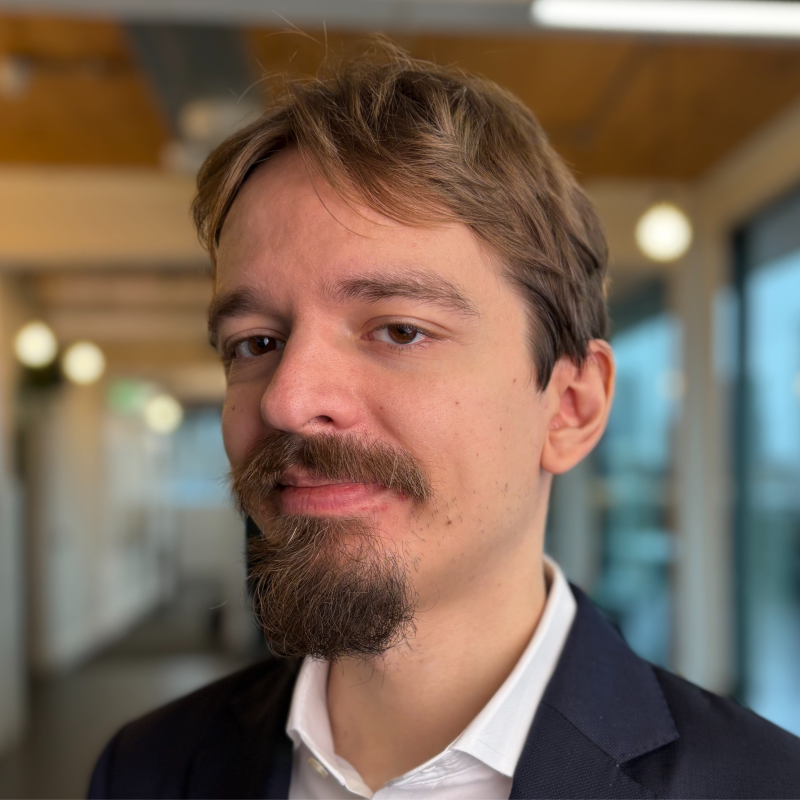
Jon Bateman, Connor Leahy
Steven Feldstein joins Jon Bateman on the world unpacked to discuss his new book, Bytes and Bullets, and explain how drones are reshaping wars from Ukraine to Sudan.
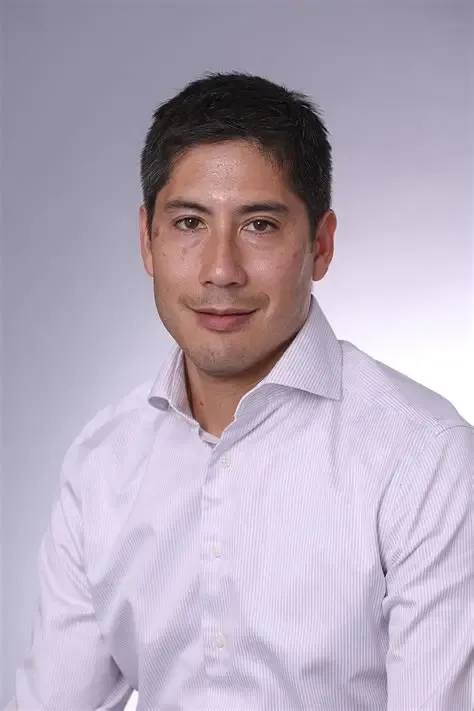
Jon Bateman, Steven Feldstein
A new book goes inside the AI industry and calls for a mass movement to restrain it.
Jon Bateman, Garrison Lovely